


-

Add: HeBei ShengShi HongBang Cellulose Technology CO.,LTD.
-

Email
13180486930@163.com -

CONTACT US
+86 13180486930

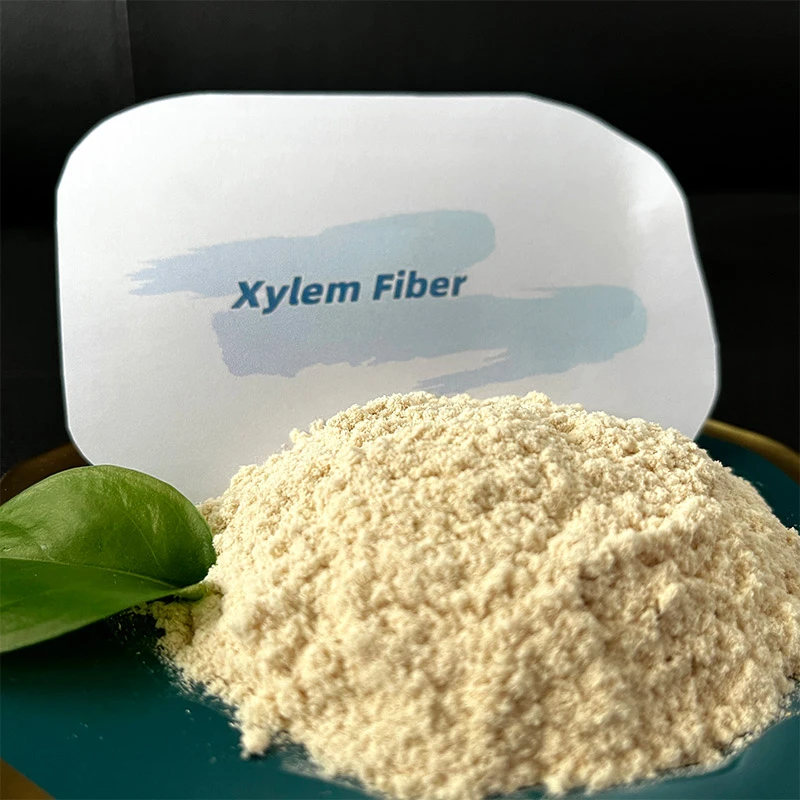




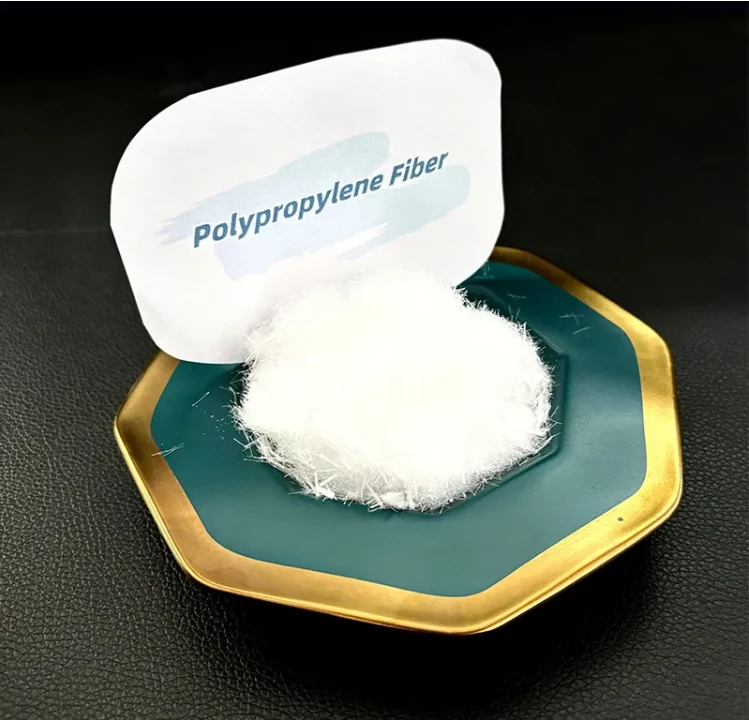
The Cost of Polypropylene Fiber An Overview Polypropylene fiber, derived from the polymerization of propylene monomers, is a synthetic material that has been gaining traction in various industries due to its unique properties and cost-effectiveness. As the demand for durable and versatile materials rises, so does interest in understanding the cost implications associated with polypropylene fiber. This article aims to explore the factors affecting the cost of polypropylene fiber, its applications, and its overall economic impact. Understanding Polypropylene Fiber Polypropylene is one of the most widely used plastics in the world. It is recognized for its lightweight nature, chemical resistance, moisture-wicking capabilities, and structural durability. These characteristics make it an excellent choice for a variety of applications, including textiles, automotive components, and packaging materials. The resulting fiber is soft, resistant to staining, and can be produced in a variety of colors, further enhancing its usability in consumer products. Factors Influencing the Cost 1. Raw Material Prices The primary factor determining the cost of polypropylene fiber is the price of propylene, the primary raw material used in its production. Fluctuations in oil prices significantly impact the cost of propylene, as it is derived from fossil fuels. As global oil prices rise or fall, so too does the cost of polypropylene fiber. 2. Production Technology The method of production also affects costs. Advances in manufacturing technologies can streamline production processes and reduce costs. For instance, the implementation of more efficient machinery or environmentally friendly production methods can yield lower operational costs, which may be passed on to consumers. 3. Supply and Demand Like any commodity, the cost of polypropylene fiber is subject to the laws of supply and demand. In periods of high demand—such as during the surge in production of protective equipment during the COVID-19 pandemic—prices may increase sharply. Conversely, surplus production or a decline in demand can lead to lower prices. costo de fibra de polipropileno 4. Geopolitical Factors Political stability in oil-producing regions can affect the supply and price of propylene. Trade tariffs, sanctions, or conflicts can disrupt supply chains, leading to increased material costs, which in turn influence the cost of polypropylene fiber. 5. Market Competition The competitiveness of the polypropylene market also plays a vital role. The entry of new suppliers can drive prices down, while monopolistic conditions can lead to higher prices. The global nature of the fiber market means that competition from manufacturers in different regions can also affect local pricing. Applications of Polypropylene Fiber The versatility of polypropylene fiber allows for its use in numerous applications. In the textile industry, it is common in the production of carpets, upholstery, and outdoor fabrics due to its resistance to moisture and mildew. The automotive sector utilizes polypropylene fiber for interior components, as it is lightweight and aids in fuel efficiency. Furthermore, polypropylene fibers are utilized in geotextiles for soil stabilization, erosion control, and drainage systems. Economic Impact The economic implications of polypropylene fiber production extend beyond its cost. It supports a range of industries, creating jobs and stimulating economic growth. As manufacturers adapt to changing market dynamics and consumer preferences, innovative uses for polypropylene fiber continue to emerge, driving further demand. In conclusion, the cost of polypropylene fiber is influenced by a variety of factors including raw material prices, production technology, supply and demand dynamics, geopolitical conditions, and market competition. Its diverse applications and economic implications make it a significant player in the manufacturing landscape. As industries continue to seek sustainable and efficient materials, understanding these cost dynamics will be crucial for businesses and consumers alike in making informed decisions. The future of polypropylene fiber is undoubtedly tied to evolving market conditions and technological advancements, promising ongoing relevance in a rapidly changing world.
- 40000tons

Production
- 20+years

Experience
- 5000+㎡

Acreage

-
In a world focused on sustainability, wood cellulose is emerging as a top choice for eco-friendly building materials and insulation solutions. Derived from the fiber found in wood, wood cellulose offers exceptional thermal and sound insulation properties while being a renewable and biodegradable resource. Whether you are looking to build or retrofit your home, wood cellulose provides an environmentally responsible option that helps you reduce your carbon footprint and enjoy long-term comfort. What is Wood Cellulose? Understanding This Eco-Friendly Material What is wood cellulose exactly? It is a natural polymer found in the cell walls of plants, primarily in wood. Wood cellulose is made up of long chains of glucose molecules, which provide strength and rigidity to plants. This versatile material can be processed and used for a variety of applications, including as an effective insulation material. It’s biodegradable, recyclable, and an ideal choice for those who prioritize sustainability in their construction and insulation projects. Wood Cellulose Insulation: A Smart Choice for Your Home When it comes to insulation, wood cellulose insulation stands out as a highly effective and environmentally friendly option. Made from recycled wood fibers, wood cellulose insulation provides excellent thermal performance by trapping air and minimizing heat loss. It also offers superior soundproofing properties, making it a great choice for homes and buildings in noisy environments. Unlike traditional insulation materials, wood cellulose insulation is treated to be fire-retardant and resistant to pests, ensuring durability and safety for years to come. It’s time to make your home more energy-efficient with the natural power of wood cellulose insulation . Difference Between Sawdust and Wood Cellulose: Key Features You Need to Know While both sawdust and wood cellulose come from wood, there are significant differences between the two. Sawdust is a byproduct of cutting or grinding wood and is often used in manufacturing or as animal bedding. On the other hand, wood cellulose is the fibrous material extracted from the wood itself and is used for more specific applications such as insulation. The key difference between sawdust and wood cellulose is that wood cellulose is processed to remove impurities and can be treated for fire resistance and enhanced durability, making it a far superior material for insulation purposes. Choose wood cellulose for a greener, safer, and more efficient solution than sawdust. Why Choose Wood Cellulose for Your Next Building Project? If you’re looking to make your home or office more energy-efficient and eco-friendly, wood cellulose is the perfect solution. Whether you’re installing wood cellulose insulation in your attic, walls, or floors, or using wood cellulose in other applications, you can count on its excellent performance. With its sustainable nature, durability, and impressive insulating properties, wood cellulose is the future of green building materials. It’s time to embrace the natural benefits of wood cellulose and enjoy a more comfortable, energy-efficient, and environmentally responsible space. Wood Cellulose FAQs What is wood cellulose and how is it made? Wood cellulose is a natural fiber derived from the cell walls of trees and plants. It is made by processing wood to extract the cellulose fibers, which are then used in various applications such as insulation or paper production. The process involves removing the lignin and other non-cellulose components from the wood, leaving behind the strong, fibrous cellulose that provides structure and rigidity. What is wood cellulose insulation and why is it better than traditional insulation? Wood cellulose insulation is a sustainable insulation material made from recycled wood fibers. It offers superior thermal performance and excellent soundproofing capabilities, making it ideal for homes and commercial buildings. Unlike traditional fiberglass insulation, wood cellulose insulation is made from natural, renewable resources and is treated to resist fire, pests, and mold, making it a safer and more durable option. What is the difference between sawdust and wood cellulose? The main difference between sawdust and wood cellulose lies in their composition and use. Sawdustis a fine powdery byproduct created when wood is cut or sawed, often used in manufacturing or as bedding material. In contrast, wood cellulose is extracted directly from the wood fibers and is processed for specialized applications, particularly as insulation. Wood cellulose is more refined, treated for durability, and better suited for high-performance uses like insulation. How does wood cellulose insulation help with energy efficiency? Wood cellulose insulation is known for its superior thermal resistance, meaning it effectively prevents heat from escaping during the winter and keeps your home cool during the summer. By trapping air and reducing the flow of heat, it helps maintain a stable indoor temperature and reduces the need for heating or cooling, leading to lower energy bills and improved energy efficiency in your home or building. Can wood cellulose be used in all types of buildings? Yes, wood cellulose can be used in almost any type of building, from residential homes to commercial properties. It is ideal for a wide range of construction projects, particularly in those focused on sustainability and energy efficiency. Whether you're building new structures or retrofitting older homes, wood cellulose insulation is a versatile and eco-friendly option that works in walls, attics, floors, and more.
-

Hydroxypropyl starch phosphate is an increasingly popular ingredient in skincare products , and for good reason. This innovative compound combines natural starch with phosphate to enhance its functionality and benefit a myriad of skin types. Its rise in popularity is not just a fad; it's rooted in solid science and consumer experience. Derived primarily from natural sources like corn or potatoes, hydroxypropyl starch phosphate offers several advantages that align seamlessly with the needs of both consumers and formulators. Fundamentally, it serves as an exceptional texture enhancer in creams, lotions, and serums. Unlike traditional thickeners, it provides a silky-smooth finish that is often sought after in high-end skincare products. This means when applied, products feel luxurious and pampering, creating an indulgent experience that consumers love. In addition to texture enhancement, hydroxypropyl starch phosphate plays a crucial role in stabilizing emulsions, ensuring that oil and water components in skincare formulations do not separate over time. This stability is particularly important for multi-ingredient complex formulations, allowing active ingredients to remain evenly distributed, thus maximizing efficacy. Stability also translates to an extended shelf life, which is a significant consideration for both consumers and retail outlets. From a dermatological perspective, hydroxypropyl starch phosphate is non-irritating and safe for sensitive skin. Unlike some chemical thickeners and stabilizers, this starch derivative does not clog pores, making it an excellent choice for formulations targeted at acne-prone or reactive skin. Its ability to absorb excess oil without stripping the skin of essential moisture is another notable feature, making it suitable for oily skin types while maintaining a balance that is gentle enough for drier skin. Expertise in skincare formulation reveals that hydroxypropyl starch phosphate also aids in enhancing the delivery of active ingredients. Due to its molecular structure, it can help convey moisture deeper into the skin layers, optimizing the hydration properties of a product. This translates to improved performance of active ingredients, whether they are anti-aging, brightening, or soothing components. hydroxypropyl starch phosphate in skin care In the realm of experience, numerous skincare enthusiasts have praised products containing hydroxypropyl starch phosphate for their lightweight feel and non-greasy finish. These products tend to absorb quickly into the skin, leaving behind a velvety finish that preps the skin beautifully for makeup application or simply for a bare-skin glow. The real-life testimonials stand as a testament to the compound’s capabilities, further increasing its credibility among users who prioritize both efficacy and experience in their skincare regime. Authoritative research backs the safety and efficacy of hydroxypropyl starch phosphate, with numerous studies confirming its hypoallergenic properties and performance in enhancing skin feel and formulation stability. Regulatory bodies have approved its use globally, a mark of trust that allows consumers and formulators to incorporate this ingredient without reservation. The endorsement by dermatologists and skincare professionals further solidifies its standing in the industry, adding a layer of trustworthiness to its growing reputation. For a more sustainable approach to skincare, many conscious consumers will appreciate that hydroxypropyl starch phosphate is biodegradable. Derived from renewable resources, it aligns with the increasing demand for environmentally friendly beauty products. As the beauty industry progresses towards more sustainable practices, ingredients like hydroxypropyl starch phosphate not only meet the crucial functionality required by modern skincare but also support a sustainable future. Consumers keen on elevating their skincare routine should look for this innovative ingredient in their products. Brands that incorporate hydroxypropyl starch phosphate often showcase transparency and a commitment to quality, understanding the complex needs of today’s diverse skincare audience. As the understanding of this ingredient continues to evolve, more skincare products are expected to leverage its multifaceted benefits, making it a staple in high-performance skincare formulations. In conclusion, hydroxypropyl starch phosphate is more than just a functional ingredient; it is a bridge between efficacy and indulgence, expertly tailored for modern skincare needs. From improving product stability to enhancing the user experience, it represents a sophisticated advancement in the formulation of skincare products. With an impressive balance of credibility and innovation, this ingredient is set to remain an influential component in skincare regimens worldwide.
advantages
-

200000 Viscosities
Excellent product
We can produce pure products up to 200,000 viscosities
-

40000 tons
High yield
We don’t stop production all year round, and the annual output can reach 40,000 tons
-

24 hours
Quality service
We provide 24-hours online reception service, welcome to consult at any time
———— Inquiry Form
Schedule A services

-
 wanga_ether_kwa_ajili_ya_ujenzi
Oct . 25, 2025
Hydroxypropyl Methyl Cellulose (HPMC) has emerged as a versatile material in various industries, off -
 hpmc_medical
Oct . 25, 2025
Hydroxypropyl Methylcellulose (HPMC) is a versatile and essential ingredient in the cosmetics indust -
 costo_de_fibra_de_polipropileno_por_kg
Oct . 25, 2025
Methylcellulose An Essential Excipient in Pharmaceutical Innovations In the realm of pharmaceutical


